Bu sitede yer alan tüm bilgiler; Parkinson hastalığı hakkında farkındalık yaratmak ve genel bilgilendirme amacıyla sunulmuştur. Bu içerikler, bir doktorun teşhisinin, tıbbi tavsiyesinin veya tedavisinin yerini alamaz. Sitedeki bilgilere dayanarak ilaç kullanımı, dozaj değişikliği veya tedavi yöntemi seçimi yapmayınız. Her türlü sağlık sorununuzda mutlaka uzman bir hekime veya en yakın sağlık kuruluşuna başvurunuz..
Bu yazı 1483 kelimedir ve yaklaşık 8 dk okuma süresine sahiptir.
“`html
Editor’s Note: This blog post is for informational and educational purposes only. It does not constitute medical advice. Always consult a healthcare professional before making any decisions regarding Parkinson’s disease treatment or COMT inhibitors. For any medical questions about your health condition, consult your doctor or other qualified healthcare provider.
Parkinson’s disease (PD) is a progressive neurodegenerative disorder affecting millions of people worldwide. The main pathophysiological feature of this disease is the loss of dopaminergic neurons in the substantia nigra and the consequent dopamine deficiency in the brain. Although Levodopa is considered the ‘gold standard’ for Parkinson’s treatment, complications such as motor fluctuations and ‘wearing-off’ (shortening of drug effect duration) that arise from its long-term use can significantly reduce patients’ quality of life. In this context, COMT Inhibitors offer a critical treatment approach that helps overcome these problems by optimizing Levodopa’s pharmacokinetics and increasing the amount of active Levodopa reaching the brain.
Levodopa’s Place in Treatment and Limitations
Levodopa is a dopamine precursor that can cross the blood-brain barrier and be converted into dopamine in the brain. Thanks to this property, it remains the most effective drug in relieving PD symptoms. However, the rapid metabolism of Levodopa after oral administration poses a significant challenge to treatment. Levodopa’s metabolism is carried out by two main enzymes: aromatic L-amino acid decarboxylase (AADC), which converts Levodopa to dopamine in peripheral tissues, and catechol-O-methyltransferase (COMT), which converts Levodopa to 3-O-methyldopa (3-OMD).
In treatment, Levodopa is usually administered concomitantly with an AADC inhibitor (e.g., carbidopa or benserazide). AADC inhibitors prevent Levodopa from being converted to dopamine in the periphery before reaching the brain, thereby reducing Levodopa’s side effects and allowing more of it to cross into the brain. However, even when AADC is inhibited, the COMT enzyme continues to metabolize a significant portion of Levodopa. This situation shortens Levodopa’s plasma half-life and results in less Levodopa reaching the brain. Consequently, patients may experience ‘off’ periods where symptoms reappear between doses, which can negatively impact their quality of life, along with motor fluctuations and Levodopa’s side effects like dyskinesia.
COMT Enzyme and L-Dopa Metabolism
What is Catechol-O-Methyltransferase (COMT)?
COMT is an enzyme that plays a role in the metabolic degradation of catecholamines (dopamine, epinephrine, norepinephrine) and other compounds with a catechol structure, such as Levodopa, via O-methylation. This enzyme shows high activity in many tissues in the body, primarily the liver, kidneys, and intestines. Although also found in the brain, peripheral COMT activity plays a more prominent role in the metabolism of circulating Levodopa.
Its Effect on Levodopa
A significant portion of orally administered Levodopa to Parkinson’s patients is converted to 3-O-methyldopa (3-OMD) by the peripheral COMT enzyme before reaching the brain. 3-OMD itself has no known therapeutic value and can even compete with Levodopa to cross the blood-brain barrier, further reducing the amount of Levodopa that reaches the brain. This rapid peripheral metabolism leads to sharp decreases in Levodopa plasma concentrations, resulting in a short duration of the drug’s therapeutic effect and motor fluctuations in patients.
Mechanism of Action of COMT Inhibitors
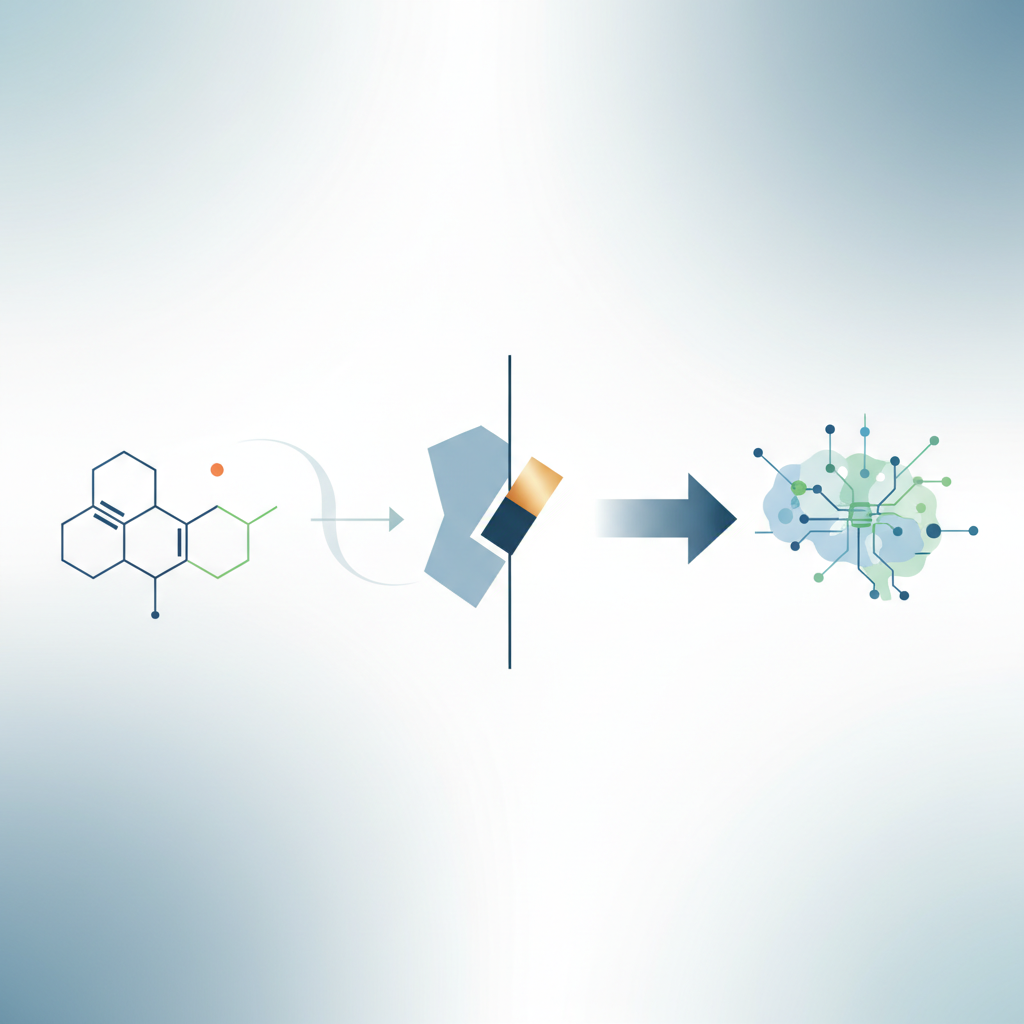
COMT inhibitors block the activity of this enzyme, preventing the peripheral metabolism of Levodopa. Thanks to this inhibition, less Levodopa is converted to 3-OMD, and consequently, higher and longer-lasting Levodopa concentrations are achieved in plasma. Increased Levodopa bioavailability allows more Levodopa to cross into the brain and be converted to dopamine there. As a result, dopamine levels in the brain become more stable, and the duration of dopaminergic stimulation is prolonged.
This mechanism is vitally important, especially in alleviating the ‘wearing-off’ effect of Levodopa. COMT inhibitors can extend Levodopa’s plasma half-life by 59% to 75% and increase the area under the curve (AUC) by 45%, which allows the drug to remain effective for a longer period. COMT inhibitors do not have a direct effect on Parkinson’s symptoms; therefore, they are effective when used in combination with Levodopa.
Clinical Use and Different COMT Inhibitors
Currently, there are three main COMT inhibitors in clinical use: Entacapone, Tolcapone, and Opicapone. Each has its own unique pharmacokinetic and safety profiles:
Entacapone (Comtan®)
- Mechanism of Action: Selectively and reversibly inhibits peripheral COMT. It cannot cross the blood-brain barrier, thus it does not affect COMT in the central nervous system.
- Usage: Taken with each Levodopa dose (4-8 times a day). Triple combination tablets of Levodopa/carbidopa/entacapone (Stalevo®) are also available, which can improve patient adherence.
- Benefits: Increases ‘on’ time and reduces ‘off’ time by prolonging Levodopa’s half-life.
- Side Effects: Diarrhea, darkening of urine color (reddish-brown), increased dopaminergic side effects such as Levodopa-induced dyskinesia and confusion.
Tolcapone (Tasmar®)
- Mechanism of Action: Can inhibit both peripheral and, to some extent, central COMT. However, its clinical efficacy is largely dependent on peripheral COMT inhibition.
- Usage: Typically taken three times a day.
- Important Side Effect: Tolcapone carries a risk of severe liver damage, requiring regular monitoring of liver function tests, and is generally used as a second-line treatment when entacapone or opicapone have failed. Its use is restricted or withdrawn from the market in some countries.
Opicapone (Ongentys®)
- Mechanism of Action: One of the newest generation inhibitors that selectively and long-lastingly inhibits peripheral COMT. Its long duration of action allows for once-daily dosing.
- Usage: Typically taken once daily at bedtime, which minimizes potential absorption interactions with Levodopa regimens.
- Benefits: Effective in reducing ‘off’ time and increasing Levodopa bioavailability. It does not carry the risk of liver toxicity seen with Tolcapone.
Clinical Benefits of COMT Inhibitors
The primary clinical benefit of COMT inhibitors is their ability to improve Levodopa’s pharmacokinetic profile, thereby reducing motor fluctuations and the ‘wearing-off’ phenomenon. Clinical studies have shown that these drugs increase ‘on’ time and decrease ‘off’ time in Parkinson’s patients receiving Levodopa therapy. These improvements are usually noticed within a few days of starting the medication and persist throughout the course of treatment.
More stable dopaminergic stimulation helps patients maintain control over their motor functions for longer periods and allows them to perform daily living activities more independently. Furthermore, in some cases, they can help manage dose-dependent side effects of the drug (especially dyskinesia) by allowing for reductions in Levodopa dosages.
Side Effects and Management
Although COMT inhibitors are generally well-tolerated, they can lead to an increase in dopaminergic side effects because they potentiate the effects of Levodopa. Among the most common side effects are:
- Dyskinesia: Can be managed by reducing the Levodopa dose.
- Diarrhea: Especially common with entacapone and usually resolves spontaneously.
- Darkening of urine color: A reddish-brown or rust-colored discoloration may be observed; this is harmless.
- Liver toxicity: Associated with Tolcapone and requires regular liver function tests.
- Others: Other side effects such as nausea, vomiting, dizziness, confusion, hallucinations, and low blood pressure may also occur.
Management of side effects usually involves careful adjustment of the Levodopa dose or changing the type of COMT inhibitor. Close monitoring of liver function is critically important when using Tolcapone.
Future Perspectives and Conclusion
COMT inhibitors play a significant role in enhancing Levodopa’s efficacy and managing motor complications in Parkinson’s disease treatment. By inhibiting the peripheral metabolism of Levodopa, they enable more Levodopa to reach the brain and provide more stable dopaminergic stimulation. Newer generation inhibitors like Opicapone have the potential to further improve patient adherence and treatment outcomes by offering longer durations of action and more convenient dosing regimens.
Given the progressive nature of Parkinson’s disease, it is crucial to broaden Levodopa’s therapeutic window and maintain patients’ quality of life for as long as possible. COMT inhibitors will continue to be an important tool in achieving this goal. Future research may delve deeper into the role of COMT inhibitors in different disease stages, new compounds, and their potential neuroprotective effects.
Frequently Asked Questions (FAQs)
Why are COMT Inhibitors used with Levodopa?
COMT inhibitors block the activity of the COMT enzyme, which breaks down Levodopa in the body before it reaches the brain. This allows more Levodopa to reach the brain, extending its dopaminergic effect, thereby increasing Levodopa’s efficacy and reducing motor fluctuations like ‘wearing-off’ (shortening of drug effect duration).
What are the main differences between Entacapone, Tolcapone, and Opicapone?
Entacapone and Opicapone primarily inhibit peripheral COMT, while Tolcapone can affect both peripheral and central COMT. The most significant difference is that Tolcapone carries a risk of potential liver toxicity, requiring regular liver function test monitoring. Opicapone, thanks to its long half-life, can be taken once a day, which improves patient adherence.
What are the common side effects of COMT inhibitors?
Common side effects include Levodopa-induced dyskinesia, diarrhea, darkening of urine color (harmless), nausea, vomiting, dizziness, confusion, and hallucinations. For Tolcapone, the risk of liver toxicity is a particular concern.
How do COMT inhibitors improve motor fluctuations?
COMT inhibitors reduce fluctuations in dopamine levels by extending Levodopa’s plasma half-life and ensuring it reaches the brain more consistently and stably. This increases the ‘on’ time when Levodopa is effective and shortens the ‘off’ time when symptoms return, thereby controlling motor fluctuations.
“`
Kaynaklar
- https://www.neurologylive.com/view/comt-inhibitors-assist-control-parkinson-disease-motor-symptoms
- https://www.parkinson.org/understanding-parkinsons/treatment/medications-for-motor-symptoms/COMT-inhibitors
- https://vertexaisearch.cloud.google.com/grounding-api-redirect/AUZIYQGRHrKtlvY6TwDcEGS-TlMI6nZBcRRTUy4S6CyP6rUBeA0DdoGQ9bSw1W1uTBDkw-4hWTkz8tdMJcLDYQsGv2Sv9bIYL5q9b8Hh8tlz71xLPVU1Abo4hjhWpmuW_5O_XePlcCMH5PgsHFAUg8y5HLr73jUTsn0E_c5nl9iN84WeoxlgvLTPpJkYwnkDxzwAd6X257UiGJPaqpVS8S4W
- https://vertexaisearch.cloud.google.com/grounding-api-redirect/AUZIYQFaOzkOtVS94KChe7sBzWYycvWPntpLknO13QHEBqe2scU_lNZhlclpmNAefVD-Ju08TUUBjT6FJUChqNeBDZX4RaPPCmNsFlLO_yZxKtzXp33a0Ic4yoo6YcrCP-U9a7tFdHk0VkSEr6SMaeaxEVYLL302HNX8n1Jd833fQPkJGVBnQPbaweLEbUwv6A==
- https://vertexaisearch.cloud.google.com/grounding-api-redirect/AUZIYQHKx7v5kYg7OVAWngcG5crhRVhUWj5vO2XNOvwYYNuXTebaQNLDw_G8h_QZ4DADBrG6h2XEr_wsv1Do23V63eDNpjpmcLjjbE1iLEH3M4Bp7IiqyeB1VMZU2lPouUWoyE8f1SOC7xi2z9T6f1gJkyDFQ4iQm4_uMs2oXMH5sJhp
- https://vertexaisearch.cloud.google.com/grounding-api-redirect/AUZIYQGEaU-dZ2_tflhTwLU5-5pIktRhUKGJxNcoCT3ucQSv2h6Zyvy_3Oxp776e8V6rxLBZEcIi8aQX8fHc4TjXYtls7mef7RlfXenxtZtaIqxHGgcNH4-ibc74-9mVSnoXoqfiqc0xs4g=
- https://vertexaisearch.cloud.google.com/grounding-api-redirect/AUZIYQFzO5j9-tXGLTseUSHlGqQpSeLb1AbDZsLM27eZIyKsQHrza_C8ejRXiuDHxkmU7BJRdiEyvFslX0NSKv2ZJZ-E0GHJCU95Ti_g5jDOc7I9VuCYhzCm5BSaVO85-FuXZItGNuI=
- https://vertexaisearch.cloud.google.com/grounding-api-redirect/AUZIYQFlBZ1KVVsOZZZBVMshrTHDxr2UUg5_aGBGPKUwv4OeISRjJywBUkugHv0M4xkKrdk3HJICAhQ7qF21GWUc5uAz-L8v6jHJ4JAYqDuY1US-vYzD3Vu4IGirUCX7iXFWa6RAoxWVlhToMTkB1OVgsFA-noCo4WoF7smI191s
- https://vertexaisearch.cloud.google.com/grounding-api-redirect/AUZIYQEzZHRcgaOe9YE_w0rav5ApOQMoUbGLiIfBPw_aeruOGsvbKTom8rXJ5rbRIcvnTqhRf6RgDY7tJcpHcD4hIZEumuwlY3GZIJ6e8Ze8MEobjYZwpjiz6_dXfPP0tvHWI3bM2W1DOi1rvm_Pb_5m2vsD_qfCIQy5mtbC8Ut1O6ATTdHbra1dnCQBZByYqNljXB8WFtrbUjS4mH_ByTAO4g==
- https://vertexaisearch.cloud.google.com/grounding-api-redirect/AUZIYQFjhTt7xgtTThwtKhSu6–vmrGK1fTchgEVrdsxLNJflL_HnekWCrP-cBKSw2HSG3h-B_YZA2vWwosgxrS42THE5R3xJUrMlHc6_d2TktqfmdxqHaRvc9Ff5wN6aAlxxSc=
- https://vertexaisearch.cloud.google.com/grounding-api-redirect/AUZIYQHgEQRQXKi1LVjG4RuPgvtsdehHaT-TVpqIUEo7KegMVao8nTSsG-NadG0ilCmUzJnjBeEeFIU0guixUFre6jnamX4oU6Hkig9nGkhGqdCEVdq1qvzZBdH_FzgcAIDoGVNxikPQrb13PNP5G6bEdCROg6na_cu-2OzaF_0z_4INaffpUvVoSCFpuVZudbg-FgeLJ5lM7kudK6pA28TrXPqFMSX_wrNqkdQ3DXXA61kMo2xVi5B0k4NsTXb5EFk0JOZk1D_KSLAjVLA2Qc6MrnpMjcSKHfSy5ISisRUIuqv_APiyGOSM
- https://vertexaisearch.cloud.google.com/grounding-api-redirect/AUZIYQEXM8uj6Mvh0yU0mKpFjB6Ld71pD9njHpStXFnHbcFuWaleQBuWYqS5N-2cju2rK9daTi9DYmzhcZ1hhNbxOYCNSpJOqS6WbZ9QMiXCtkuKyD3qe-K4zA7Tf-6iYvF3vP76Mu93DZMF3Q==
- https://vertexaisearch.cloud.google.com/grounding-api-redirect/AUZIYQG74Gbyl9QcIXh780egxAlZbA-uQDlBfQ91xLVD99RWX4HMvA6yZg5FWRTU8zBkfu1usYppVdlySYa2-Gmfqkri7hORJOP9jjpCV2CuzhO9Syr65n_J2SzgUFhNlJBDEsqo07slDdm5A6lFYD_wXL7zdJK8MaxYG0O5sazWCI5xyA==
- https://vertexaisearch.cloud.google.com/grounding-api-redirect/AUZIYQF3BdNBR-Y0kcYLGhWDCvfdloss6g0ONrFhpVldnNqhyFVQzYVAATGkLQ-zrs9-g9y_bXUOlUHgilTlY3-N0tITjwX228yHz7XCCBhSs2r3R-1w2IvDLyhONHuqyJDlldxnGWoGhokzi33OybtU8DP-RXcIPTqOq3Ti3tIvJSn4vWYla0nCnnxKmmkUhjKlcqiBhextvw==
- https://vertexaisearch.cloud.google.com/grounding-api-redirect/AUZIYQF9kEJLAZHw_uoTNG7Dxp1WLTh-pZpmlsIGbCs6-ZO56F6Mue9yEWBjGREpGlWT4exZfb75KDn0CQYNr7QH3BKO2k6N3xoFYTq__4SA7JVOPT1nJv68m0KlsT01vNDpGowaAxVj
- https://vertexaisearch.cloud.google.com/grounding-api-redirect/AUZIYQFYS0uhTGJScnljDdWDTYurSKIsgYYAR-BxuIMhT8FGWYgG2Dddz1_aatfs75ogfis30iOPL8qeVrRnwSCjJWtcSGq7CmeCkbegDinutcOyokgsS6_f8s5R0uNtopj4E9tFMSmX7Qvz8US-QVh4srKsNMmckWJ57nlAxekLnyBv3JH3eLGJ6H29YCSCnzBIQdKn–Zcgmqhn4aCd1li
- https://vertexaisearch.cloud.google.com/grounding-api-redirect/AUZIYQHebv3iDGLNTWT4ll15CAP5nX9X0oN69yLBWXCnegrpRETQFJ27QHOz7HM0w2Z7HmzrlQOYRypKQdeccizfdkBC-7TDWw_aPD7OdOPDmBifI8A02LYARrecZjT5PMfyK7T1A6UgTSAxGnbg2pCJyMhZAdtKYiR2y5OdY4CEoK0ReX9La8BArN_VVLW5AwbzFt7db-ehwrx9JRXs8qD8nRpwQXuRlg27
- https://vertexaisearch.cloud.google.com/grounding-api-redirect/AUZIYQFfmUqfAtuNwhw79yJX-HpoAdzOcyhePLP7HCU4OrcbsMTdCHmTv9N3sfwh80VVDpB-4CaN_-ouM5mrBqYWoLR7W57v1pE9pZNthuVfkcHFwru8eqpba5ovS2fCrOl6yUKOwoqXDKFP1H37H3w=
- https://vertexaisearch.cloud.google.com/grounding-api-redirect/AUZIYQE16GxvJLvUXuOtckTvh-sJ0Ji7ACtqSpOUAGOnJ1KxGOqUe-nPjB9bmjgnUTcQSGl1To5G1iEw_P9dN1Fi4D53aQejpRIJmoSszOsark6FoEOQo-oxSu9NoPoenw4jxu5RqKmE
- https://vertexaisearch.cloud.google.com/grounding-api-redirect/AUZIYQGgYhUnYtUjpodAZqeecB3E8H2lV3WM-H1UtDhaahweIfCmbaMADAscfRUkQB3nYhxlSiQrdod9mS1y9rRW_WT-lxUXDnX7paKBi8bbin-iPECtOSl2cN3OZjDyO_PczkSCbzShEWgR_IS1PJpxZuCjIhYIQu3LVJO3zpY0JH3CHIR147Zw7X0KOdQyQ1lvs-xh
- https://vertexaisearch.cloud.google.com/grounding-api-redirect/AUZIYQEqEjkim9ix4oqtqKd2XpnoD4C79zg_uhcIzFAFgf5jZKUy8KqQV8pLbfqCAFZJ6PuipvJd444JB_W7A-d-5e-1MtkG0-dYXRdiHzaRdoUYnN3GBDJpRhDspEiPmnasEP0o62_c-Sc1LzgefI4ejlGUBjye2cG-08cnMpdjHjVIc3HU4Ao=
About the Author